How to Find a Location for Your AI Vending Machine (Real Way)

Last updated: April 27, 2026 · By the VPlaced Editorial Team · 12 min read
Most articles about how to find AI vending machine locations say the same thing. “Try offices. Try gyms. Try hospitals. Walk in, ask the manager, leave a flyer.” Then they wish you good luck.
That advice is not wrong. It is just useless. Every operator already knows offices and gyms work. The real question is which specific office, which specific gym, and how do you know it will be profitable before you spend $4,000 to $20,000 on a machine?
This guide is the actual answer. Data tools that show foot traffic before you pitch. Competitor reverse-engineering. Venue categories nobody is targeting yet. And the framework operators with 50-plus machine routes use to find locations that print money for years.
Why the Standard Advice Fails
The standard placement playbook is broken for one reason. It treats every “office” or “gym” as the same. They are not.
An office with 800 employees and a cafeteria across the street is a terrible placement. An office with 200 employees and no nearby food options is a goldmine. Same category. Opposite outcomes. The trick is knowing the difference before you commit.
Operators who lose money on placements usually pitched fast. Operators who win consistently took the time to pre-qualify the venue with data. The data exists. Most operators just do not know where to look.
The Data Tools Pro Operators Actually Use
Foot Traffic Intelligence Platforms
Tools like Placer.ai, SafeGraph, and Veraset show real foot traffic data for almost any commercial address in the US. Daily visitor counts. Time-of-day patterns. Visit frequency. Average dwell time. Demographic breakdowns. Day-of-week trends.
Before you pitch a venue, you should know how many people walk through it daily, when the peaks are, and whether the same people come back multiple times per week. That is not guesswork. It is downloadable data.
Placer.ai has a free tier for limited lookups. SafeGraph offers academic and small-business access. Even Google Popular Times (free, built into Google Maps) shows real-time and historical busyness patterns for many businesses. Pull up the venue. Look at the chart. If the venue has consistent peaks Monday through Friday for an office or after 5 PM for a gym, you have a candidate worth pitching. If the chart is flat or empty, save your time.
Google Maps Heat Mapping
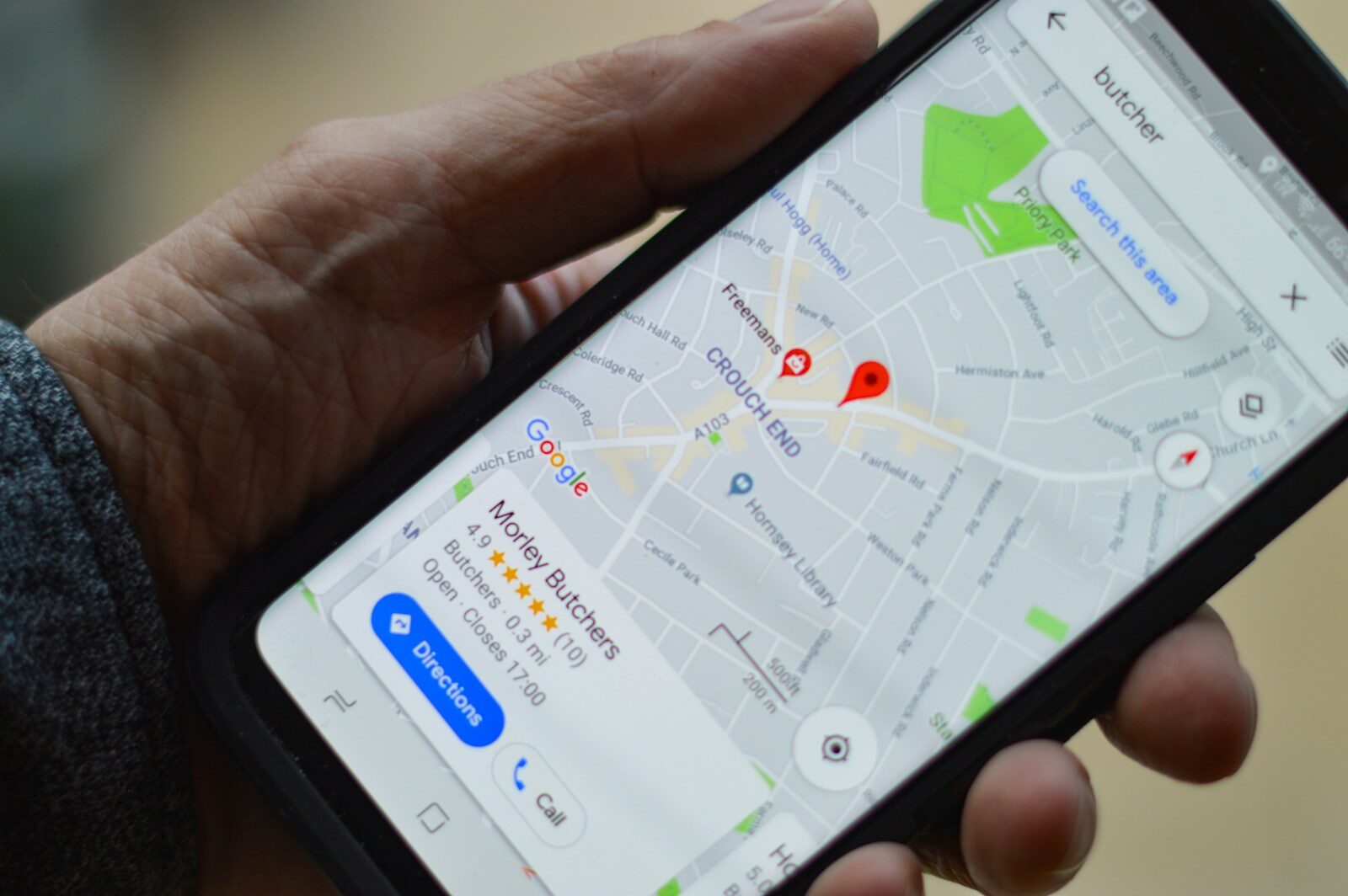
Free and underused. Open Google Maps. Search “[your target venue type] near [neighborhood].” Look at the cluster of pins. Pin density tells you market saturation. Few pins means underserved market. Many pins means you need to find the venues without nearby alternatives.
Then click each pin. Read reviews. Look for complaints about long wait times, lack of food options, or staff convenience. Every complaint is a placement opportunity. A hospital where staff complain about cafeteria hours? That is your pitch hook.
LinkedIn Sales Navigator
For corporate offices and larger venues, Sales Navigator lets you filter companies by employee count, industry, location, and growth stage. A company that just raised funding is hiring. A company that is hiring is looking for amenities to attract employees. Vending is an amenity. The pitch writes itself.
Filter for companies with 100 to 500 employees in your service area, growing headcount, no on-site cafeteria mentioned. That list is your hot prospect database.
The Reverse Engineering Method
This is the tactic nobody talks about. Other vending operators have already done your research for you. Find their machines. Find similar venues without machines. Pitch those.
How to do it:
- Walk a defined territory once. Note every venue with a vending machine. Take a photo. Record the venue type, machine type, and operator brand if visible.
- Map the placements. Use Google My Maps (free) to drop pins for every machine you found.
- Identify the pattern. A specific operator might have 10 machines at mid-sized gyms but zero at boutique fitness studios. That is your gap.
- Find venues matching the pattern that have no machines yet. If your competitor is winning at mid-sized gyms but missing boutique studios, the boutique studios are your low-competition opportunity.
This approach beats cold pitching because the proof of concept is already in the field. You are not selling vending. You are selling “vending exists at venues like yours, here is what it does for them, here is why I am better than the competitor down the street.”
The AI Telemetry Pitch
Once you have one operating AI vending machine, you have something no traditional vending operator has: real performance data from a connected machine. Daily transaction counts. Average ticket size. Peak hours. Top SKUs. Customer return rates.
This data is your most powerful pitching tool. When you walk into a new venue, do not pitch generic vending. Pitch a specific scenario with real numbers.
“My machine at the gym down the street does 60 transactions per day at an average ticket of $7.50. Their members come 3 times per week and 40 percent become repeat customers in the first month. Your gym has similar member volume. We can replicate that here. The placement costs you nothing and earns you a [X percent] commission. Want to see the data?”
That is a closing pitch. Show the venue manager the dashboard. Real screen. Real numbers. Generic vending operators cannot do this. AI vending operators can. Most do not. The ones who do close placements at 3 to 5 times the rate of cold pitches.
For operators who want this kind of telemetry built in from day one, AI vending machines ship with the cloud platform that captures all of this data automatically. To build a customized AI vending machine with the right sensors and reporting features for venue pitching, the configurator covers each spec decision.
Underexploited Venue Categories Nobody Is Targeting
The venues every operator pitches (offices, gyms, hospitals, hotels) are saturated in most markets. Here are the venue categories where AI vending machines are absent and demand is real.
Self-Storage Facilities
Open 24 hours, customers spend an hour or more inside, no nearby food. The customer just rented or accessed a storage unit and is hungry, thirsty, or needs supplies. Almost zero AI vending presence in this category nationwide. Pitch the facility manager. Many facilities now have climate-controlled lobby areas perfect for AI vending placement.
EV Charging Stations
The number of public EV charging stations doubled between 2023 and 2026. Drivers wait 20 to 45 minutes per charge. They are sitting in their car or standing around. They want snacks, drinks, or convenience items. Most charging station operators have not figured out food and beverage. AI vending solves it cleanly.
Dialysis Centers
Patients sit for 3 to 5 hours, three days per week, for years. Family members wait alongside them. Captive audience with predictable schedules. Almost no vending presence beyond the occasional traditional snack machine that nobody trusts. AI vending with healthier options and reliable delivery is a clear win.
Food Halls and Ghost Kitchens
Food halls have built-in foot traffic but late-night gaps when most vendors close. Ghost kitchens have employees but no consumer-facing retail. Both venues benefit from AI vending machines covering off-hours and impulse buys.
Veterinary Clinics and Boarding Facilities
Pet parents sit through long appointments. Boarding facility staff work odd hours. Both venues have predictable foot traffic that no vending operator targets. The product mix can include pet treats and accessories alongside human snacks.
Pickleball Courts and Racquet Clubs
Pickleball is the fastest-growing sport in America. New courts open weekly. Players spend 1 to 2 hours playing and stick around to watch other matches. Existing court operators have not solved on-site food and beverage at most facilities.
Medical Office Buildings
Different from hospitals. Multi-tenant medical buildings with offices for doctors, dentists, physical therapists, and specialists. Patients wait 20 to 60 minutes per appointment. Staff break together. Building lobbies and shared waiting areas are wide open for AI vending placement.
Indoor Trampoline Parks and Family Entertainment Centers
Parents sit and watch their kids for 1 to 3 hours per visit. Sugar crashes happen. Drinks are needed. Most facilities sell only at one cash register with long lines. AI vending bypasses the line and captures the impulse buy.
24-Hour Laundromats
Customers spend 60 to 90 minutes minimum. They are bored. They have time to spend money. Operators who pitch laundromats often have zero competition because most vending operators consider laundromats too low-end. They are not. The transactions are real.
College Esports Lounges and Gaming Centers
Newer venue category. Captive audience that stays for 2 to 6 hour sessions. Heavy snack and drink consumption. Almost no AI vending presence. Pitch the campus recreation department or the private gaming center owner.
The Stalking Method (Watch Before You Pitch)
Before pitching any venue, spend 90 minutes there. Sit in the lobby with a coffee. Or visit during a workout. Or walk through during peak hours.
Count people. Note where they congregate. Watch what they buy and from where. Note the dead zones (empty walls, unused corners, awkward areas near restrooms). Those dead zones are placement spots.
This sounds simple. Almost no operators do it. Most pitch venues they have never set foot in. They lose to operators who walked the venue and can pitch with specifics: “I noticed your members congregate near the locker room corridor between 6 and 8 PM. There is wall space across from the water fountain that gets eyeballs from every member. That is where the machine should go.”
Specific beats generic. Always.
The 90-Day Performance Pitch (Risk Reversal)
Most venue owners are nervous about committing. They worry about looks, theft, maintenance, or just having to deal with another vendor. A 90-day performance pitch removes that worry.
The structure: “Let me install the machine for 90 days at zero cost to you. After 90 days, if it has not produced X dollars in sales for the venue, or if you are not happy for any reason, I remove it free of charge. If it works, we sign a 24-month agreement at [Y commission]. Fair?”
This converts hesitant venues at a much higher rate than standard pitches. The downside for you is real (a removed machine costs setup and removal time). The upside is huge (venues that say no to a 24-month commitment often say yes to a 90-day trial). Most 90-day trials become permanent placements.
Where to NOT Place an AI Vending Machine
Operators learn this the hard way. Here are placements that look attractive but lose money.
- High schools and middle schools. Liability, parental complaints, theft, and short summer dead zones. Avoid unless you specialize.
- Convenience stores and gas stations. The store sells the same items 5 feet away at lower prices.
- Restaurants with full menus. Customers came to eat the food on the menu, not the food in the machine.
- Outdoor placements without weather protection. AI machines have electronics. Weather kills them.
- Venues without reliable WiFi or cellular signal. AI machines need connectivity. Without it, the cloud features die and you lose 80 percent of the value.
- Short-term venues like pop-ups, trade shows, or seasonal markets. Setup costs do not amortize over 60 days.
- Venues with active vending machines from another operator that has a long-term contract. Wait for the contract to expire or move on.
- Buildings with strict HOA or condo board approval requirements. The approval cycle is longer than the placement is worth.
The Multiplier: Get Found Online
The best operators do not just chase placements. They get found by venue owners actively searching. A facility manager Googles “vending services [your city]” or “vending machine company near me” and lands on your operator brand. That is an inbound lead worth 20 cold pitches.
Three things make this work. A claimed Google Business Profile. Local citations across business directories. And a website that converts the visitor into a contact form fill.
For operators who want this set up correctly, vending-specific SEO services for operators handle Google Business Profile claiming, local citation building, and ranking for the searches venue owners actually use. The investment compounds. Operators who set it up early are still receiving inbound placement leads three years later from the same setup.
The website matters too. When a venue owner finds you online, the next 30 seconds decide whether they fill out the contact form or close the tab. An operator brand website that converts is built specifically for vending operators with the elements venue partners actually look for: insurance verification, machine specs, placement timeline, references, and a contact form that does not feel like a maze.
Lock the Legal Layer Before You Scale
None of this matters if you are not legally set up to operate. Multi-state operations, sales tax in each placement state, foreign LLC registration, biometric privacy compliance for AI cameras, and bulletproof placement contracts are the foundation that lets a route grow without legal landmines.
For the legal setup that lets every placement compound safely, read the complete guide to starting an AI vending machine business legally. For hands-on legal help with multi-state expansion, contract review, or compliance audits, vending-specific legal services exist for this.
Frequently Asked Questions
How do I find AI vending machine locations as a beginner?
Start with three steps. First, walk a defined 5-mile territory and note every venue with vending. Second, identify gaps (similar venue types without machines). Third, use Google Popular Times to verify foot traffic before pitching. The data work takes one weekend. Most beginners skip it and pitch blind. The ones who do the work close placements at 3 to 5 times the rate.
What is the best venue type for an AI vending machine?
The honest answer: the best venue is the one nobody else has pitched yet in your specific area. Generic categories like offices and gyms are saturated in most markets. Underexploited categories like self-storage facilities, EV charging stations, dialysis centers, food halls, pickleball courts, and medical office buildings often produce better returns because there is zero competition.
How do I check if a location has enough foot traffic for an AI vending machine?
Use Google Popular Times (free, built into Google Maps) to see hourly busyness patterns for any business. For deeper data, Placer.ai and SafeGraph offer foot traffic intelligence with daily visitor counts, dwell times, and visit frequency. The minimum viable threshold is 50 to 100 unique visitors per day, with at least 30 percent returning weekly.
What commission should I offer venues for AI vending machine placement?
Industry standard is 5 to 25 percent of gross revenue. Lower commissions (5 to 10 percent) work for venues with weaker bargaining power or where you are providing strong amenity value. Higher commissions (15 to 25 percent) work for premium venues with multiple operators competing. Some operators use flat monthly rent instead. Both work. Spell it out in writing either way.
How do I pitch a venue owner without sounding like every other vending operator?
Lead with data, not benefits. Pull foot traffic data, real numbers from your existing machines, and a specific placement spot you noticed during a venue visit. Skip generic phrases like “passive income” and “no cost to you.” Replace them with specifics: “Your venue gets 340 unique visitors per day with peaks at 12 PM and 6 PM. My machine at a similar venue does 55 transactions per day. Here is the dashboard.”
How long does it take to find a profitable AI vending machine location?
Two to eight weeks for a first placement, one to three weeks per placement once you have a system. Operators with no system spend months pitching and lose enthusiasm before they close anything. Operators with a system (territory walk, gap analysis, foot traffic data, specific pitch) close their first placement within a month and scale from there.
Can I use the 90-day trial pitch with any venue?
Yes, but it works best with hesitant venues. Confident venues that already know they want vending will sign a 24-month agreement directly. Venues that are unsure, or that have been burned by past vendors, are the ones the 90-day pitch converts. Do not lead with the 90-day trial unless the venue pushes back on a longer commitment.
What if a venue already has another vending operator?
Two options. One, find out when their contract expires and pitch a replacement 60 days before expiration. Two, position yourself as a complement, not a replacement, by pitching a different machine type (AI grab-and-go alongside a traditional snack machine). Most venues will not double up. The first option is more common.
Are AI vending machines welcome at venues that already have traditional vending?
Often yes, when they cover a gap. A venue with a traditional snack machine but no fresh or premium options is a great target for an AI vending machine that handles drinks, healthy snacks, or specialty items. Position the AI machine as an upgrade, not a competitor.
How do I know when to walk away from a placement opportunity?
Three red flags. The venue wants more than 25 percent commission without proving traffic. The venue cannot show you their actual visitor numbers or denies access to data. The venue insists on a month-to-month deal at a premium location. Any one of these is a warning. Two means walk away.
Get Real Placement Help, Not Another Listicle
Finding profitable AI vending machine locations is a process, not a tactic. The operators winning in 2026 use data, target underexploited venues, walk before they pitch, and reverse-engineer competitors. They do not rely on cold-walking and crossed fingers.
For operators who want pre-vetted placement opportunities matched to their machine type and route strategy, VPlaced connects vending operators with venues that have already expressed interest in hosting an AI vending machine. Less cold pitching, more conversations with venues that want to talk.
Talk to VPlaced About Your RoutePre-vetted placement opportunities. Real venues. Real introductions. Real contracts.Get Placement Help →
About the Author
VPlaced Editorial Team. VPlaced connects AI vending machine operators with vetted placement opportunities across the United States. Our team works with operators on venue identification, qualification, introduction, and contract execution. Strategies in this guide reflect operator-tested approaches across active vending machine deployments and the placement methods producing measurable results in 2026. Performance varies based on territory, venue quality, machine configuration, and operator execution.